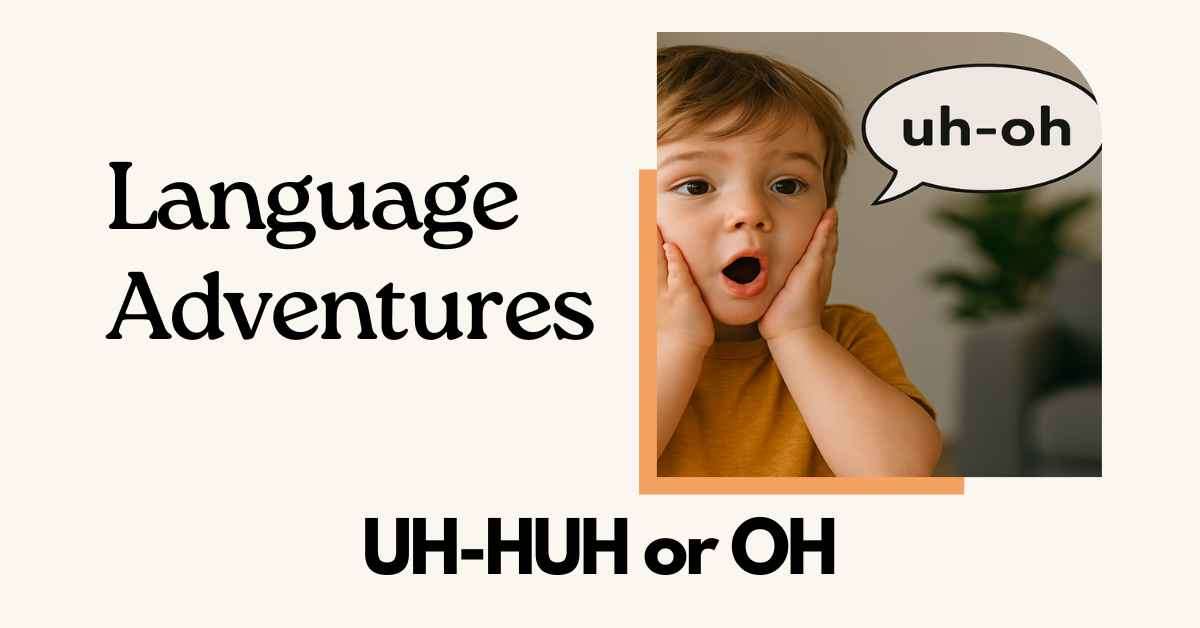
Knowable Magazine just published a fascinating piece on the role of interjections—those quick, often-overlooked non-words we toss into conversations. We are often criticized for using them. But, backed by research in linguistics and conversation analysis, the article makes a solid case that without these little blurbs, our chats are stiff and awkward at best.
Here are 10 quick takeaways from the article:
- The ums and the ahs help manage turn-taking, preventing people from talking all at once.
- Interjections act as conversational glue.
- They show we’re listening (mm-hmm goes a long way).
- Every culture uses them, though they sound different.
- They’re packed with emotion, be it agreement, disagreement, hunger, confusion…
- They buy us thinking time—uh and um are our brain’s pause buttons.
- Speech technologies, like Siri, Alexa, or transcription tools, struggle to handle them naturally.
- Kids learn them very early—way before they can put a sentence together.
- They build or damage rapport.
- They reveal the subtle art behind smooth conversations.
BUT—before you go peppering your next presentation or article with uhs and ohs, this isn’t a green light to use them in formal writing or speeches. Interjections are tools for real-time conversation flow, not for polished speeches or LinkedIn posts.
Still, if you’re fascinated by how people talk—and why it works—this article’s an interesting read: